Ivory Burning & Sustainable Tourism in Kenya: From Ashes to Action
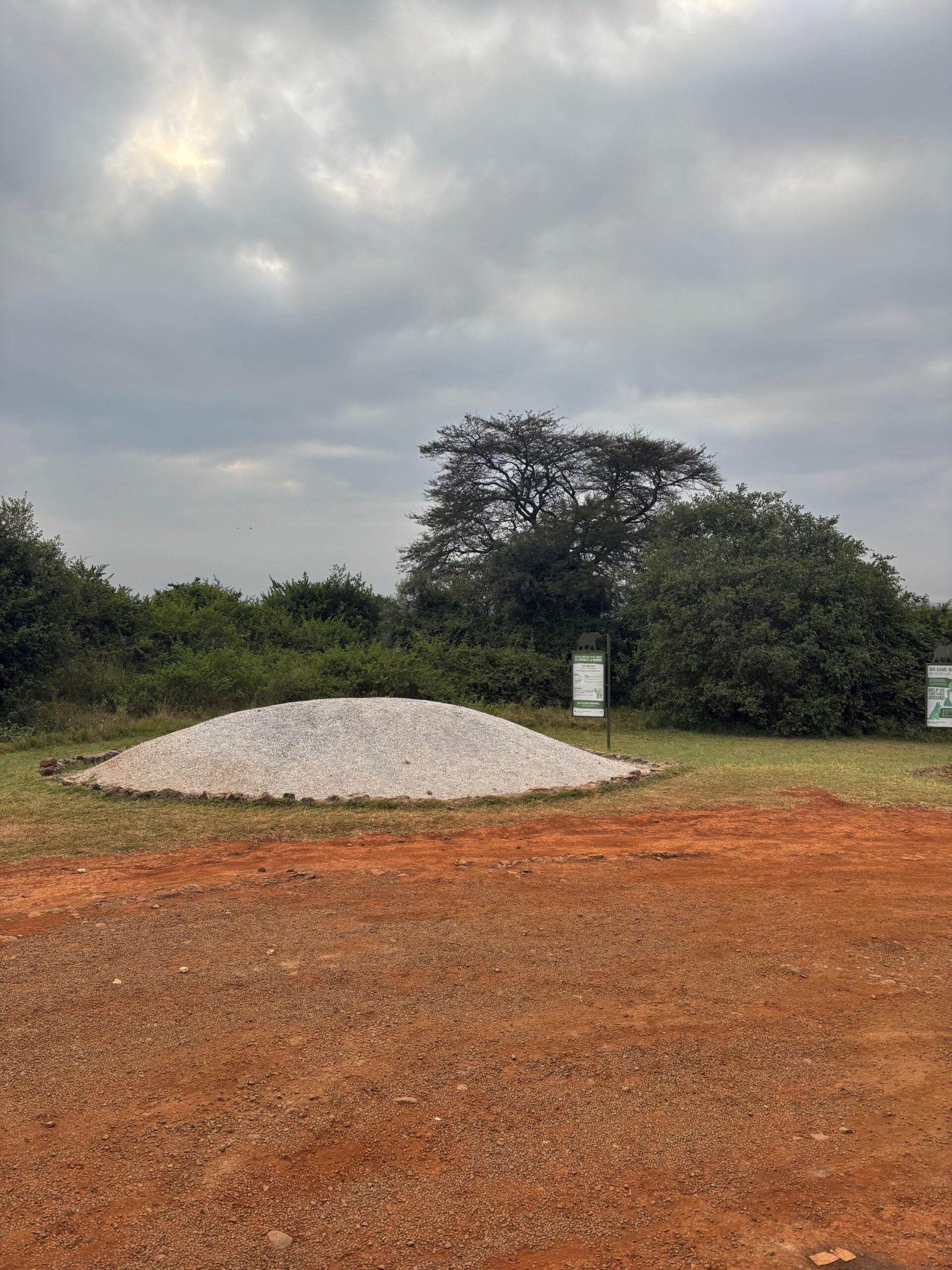
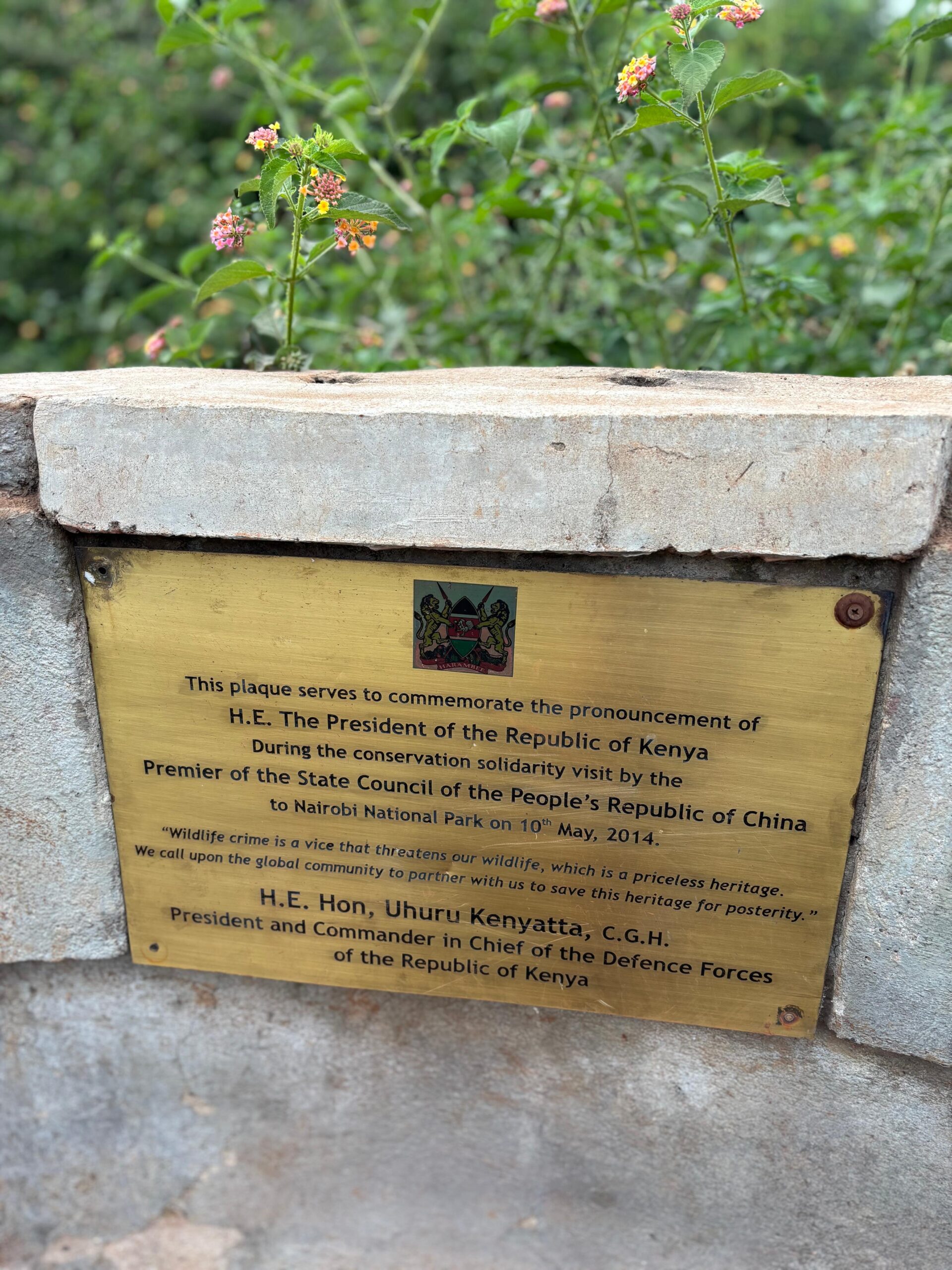
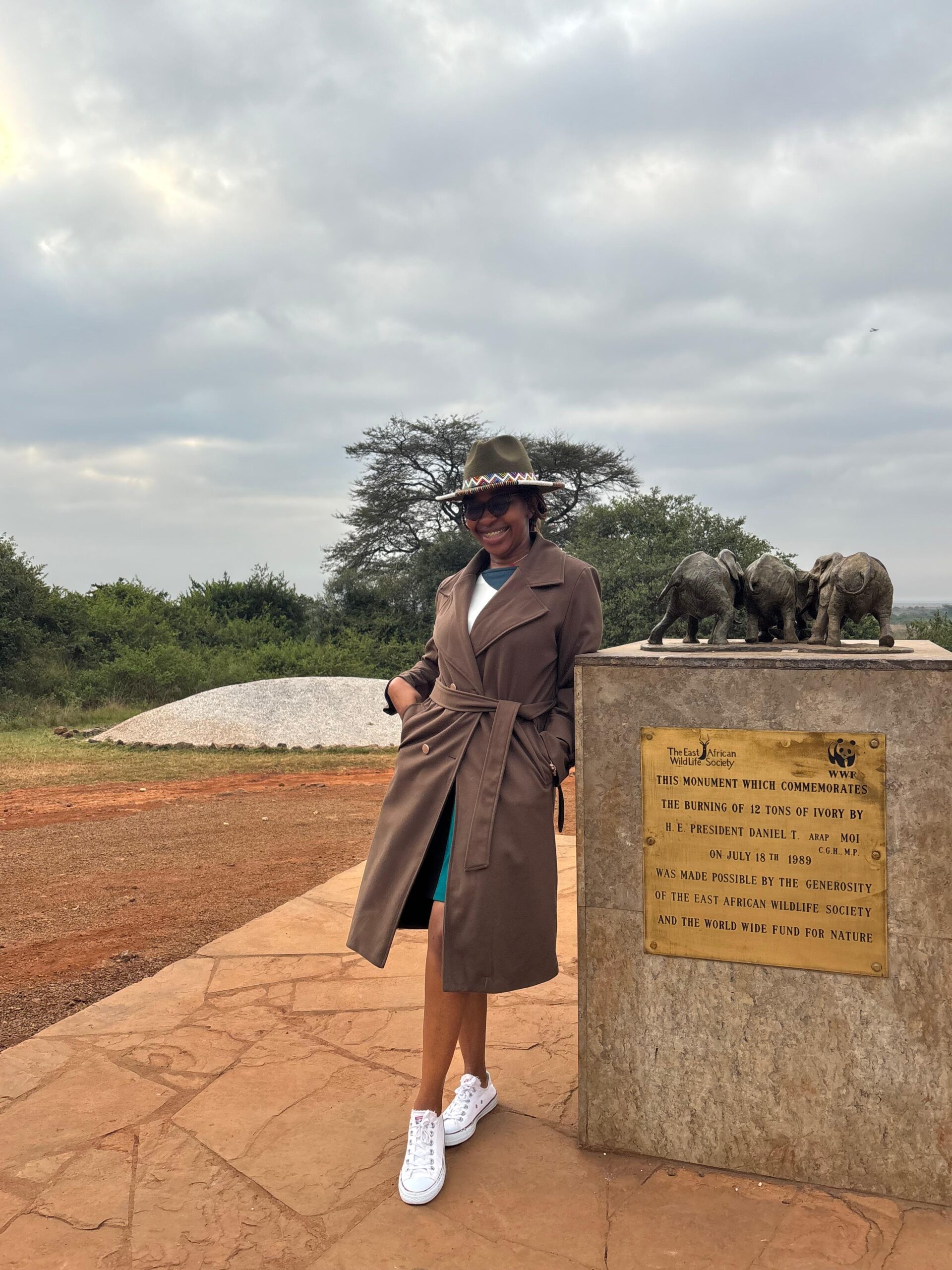
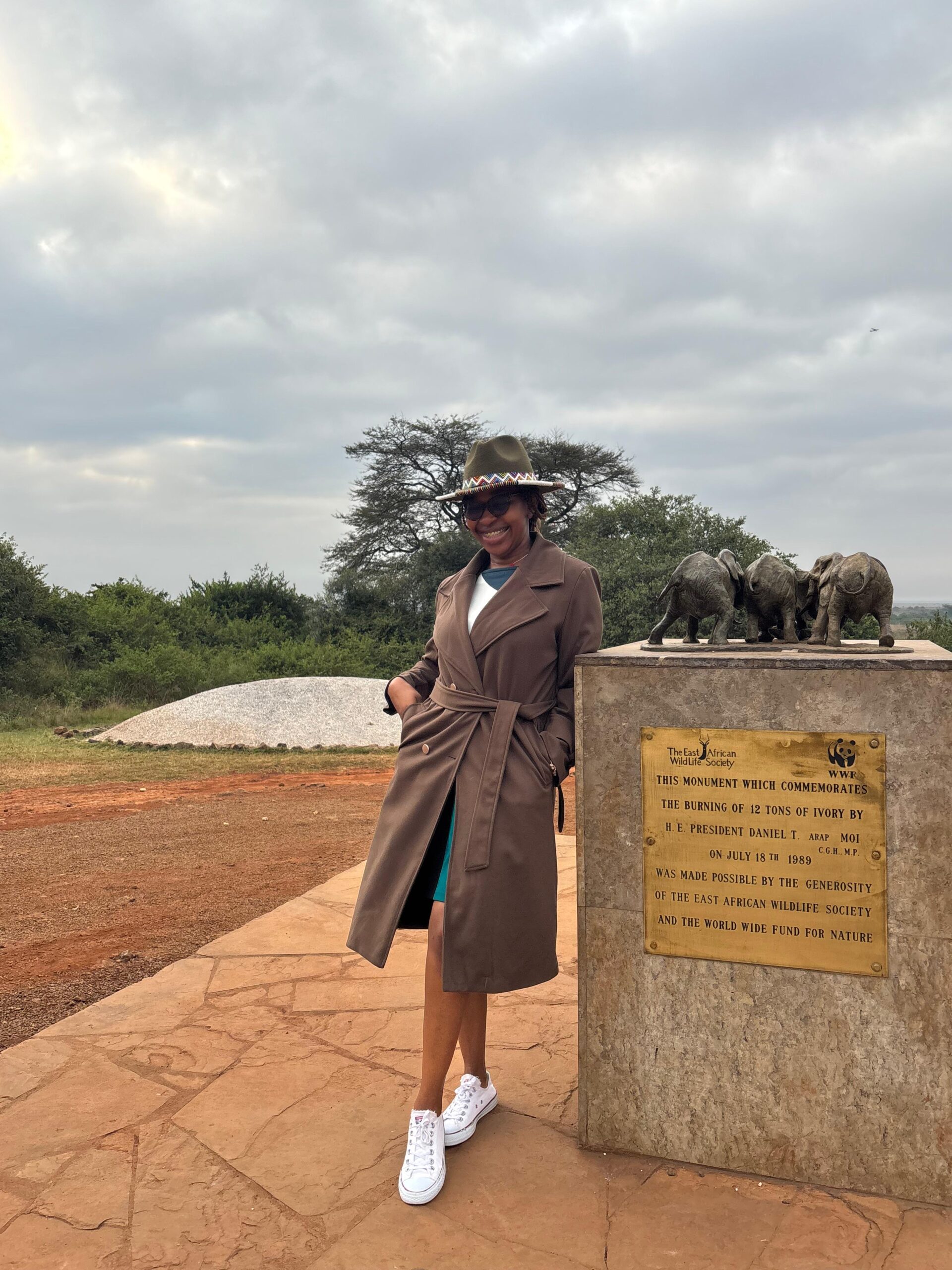
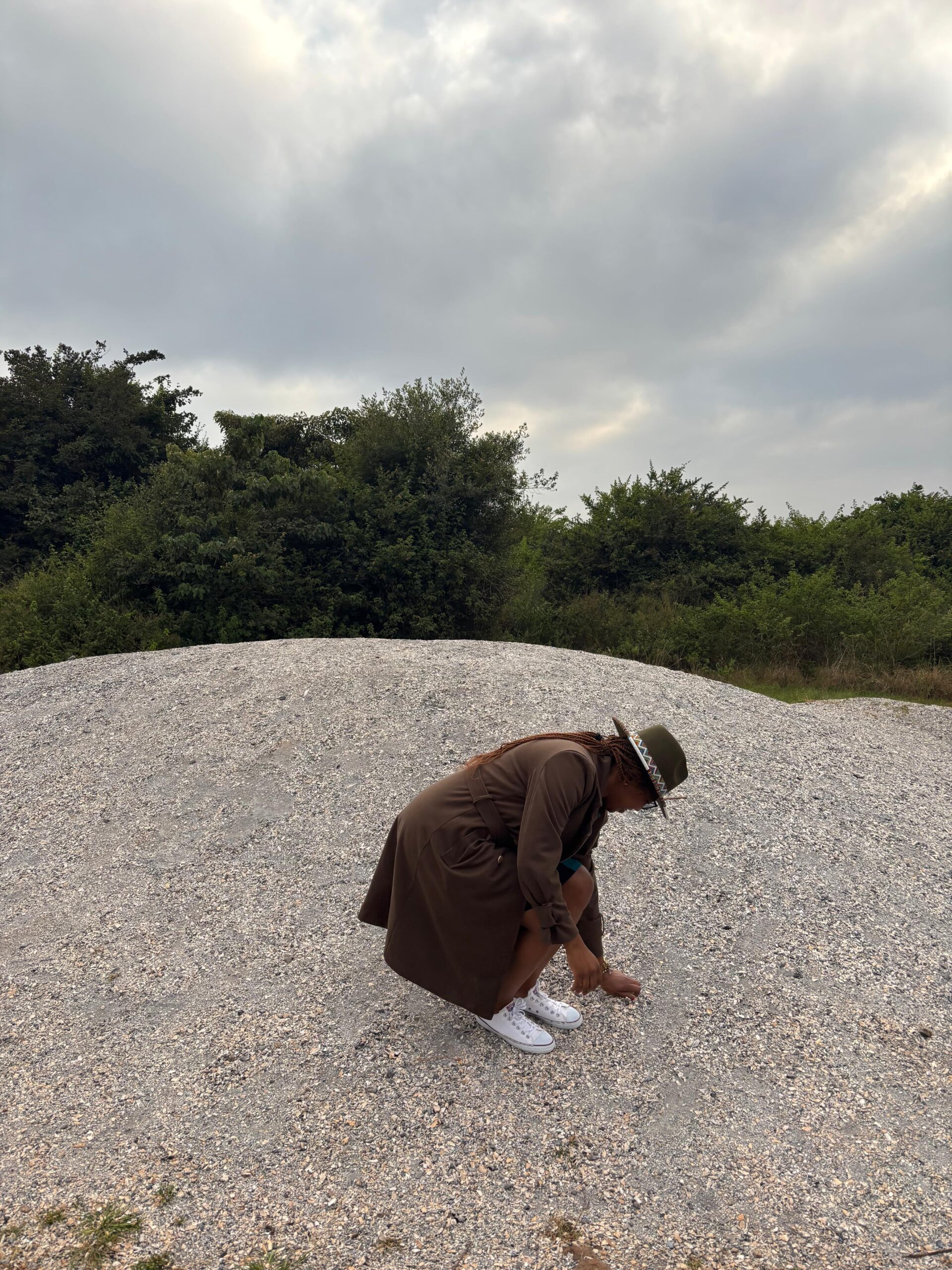
In Kenya, ivory burning stands as one of the most powerful and symbolic acts in the global fight against poaching. Since 1989, the Kenyan government has burned over 150 tonnes of confiscated elephant ivory and rhino horn, sending a clear, uncompromising message: wildlife is worth more alive than dead.
This bold action is not just about destroying tusks — it’s about safeguarding Kenya’s natural heritage and reinforcing the country’s commitment to sustainable tourism. By rejecting the ivory trade, Kenya strengthens its reputation as a leader in wildlife conservation, attracting travelers who value ethical and responsible travel experiences.
The Link Between Ivory Burning & Sustainable Tourism
Wildlife is the backbone of Kenya’s tourism industry. Safaris in Masai Mara, Amboseli, and Tsavo generate millions in revenue, supporting local communities, jobs, and conservation initiatives. Ivory burning sends a clear declaration to the world: protecting elephants and rhinos matters more than profiting from their deaths.
Sustainable tourism ensures that the benefits of travel reach local people, while protecting the ecosystems and wildlife tourists come to see. Without healthy elephant and rhino populations, the safari experience — and the jobs it supports — would be at risk.
From Ashes to Action – How Travelers Can Help
Choose eco-friendly safari operators committed to conservation.
Support community-based tourism projects that give back to local people.
Avoid purchasing ivory or wildlife products.
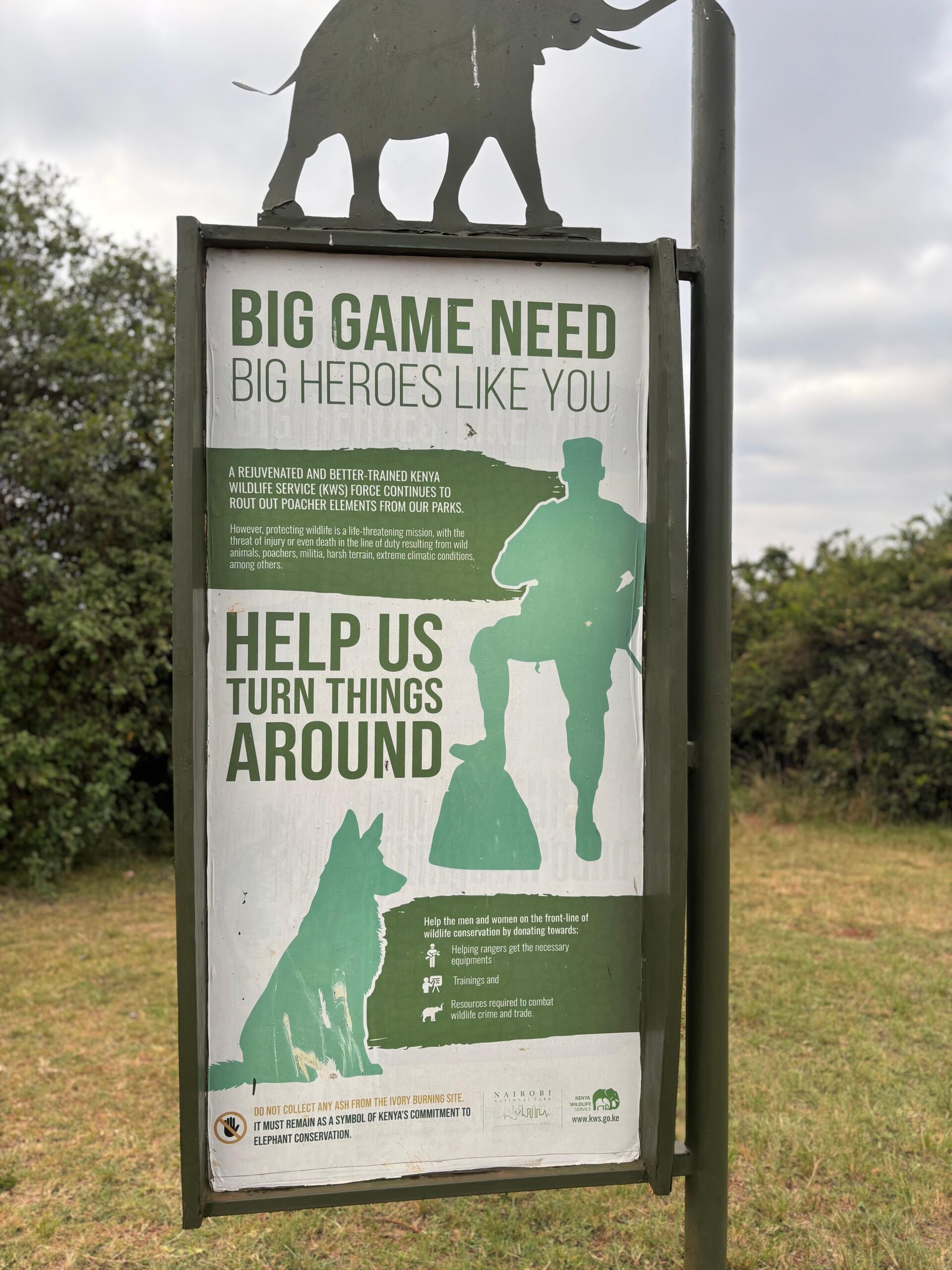
Donate to organizations fighting poaching.
When you visit Kenya, every choice matters. From the safari guide you hire to the souvenirs you buy, you can help transform the ashes of burned ivory into a future of hope, where elephants and rhinos roam freely, communities prosper, and Kenya’s landscapes remain wild and beautiful for generations to come.