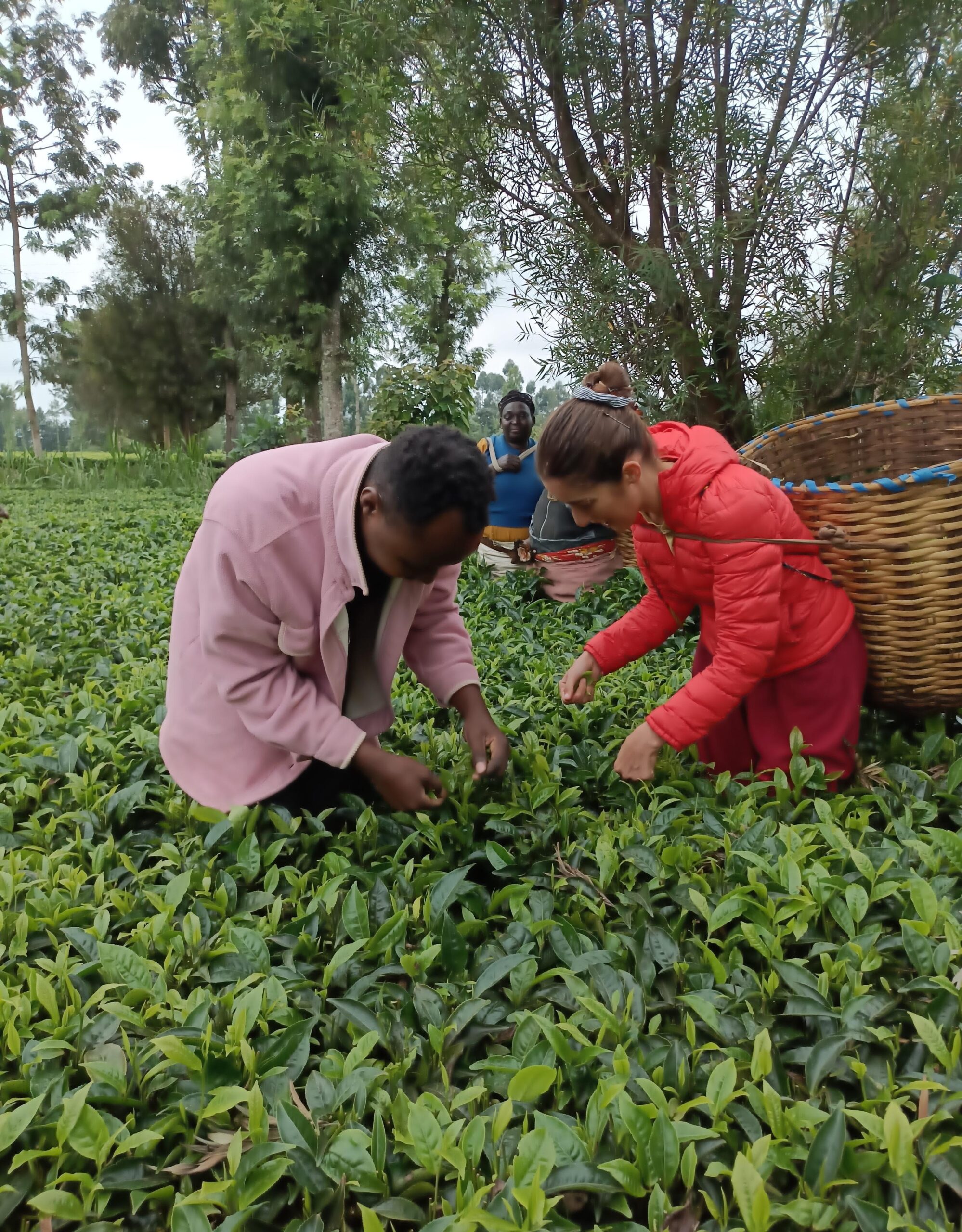
Tea Farming in Kenya: Rooted in Community and Care
In Kenya’s fertile highlands, tea is more than just a crop — it’s a way of life. The rolling green hills of Kericho, Nandi, and Nyeri produce some of the world’s finest black varieties, enjoyed in homes and cafés across the globe. For local farmers, leaf picking is a tradition deeply tied to the land, community, and sustainability.
Through sustainable farming practices, small-scale growers work hand in hand with nature, preserving soil health, protecting water sources, and reducing chemical use. These eco-conscious methods ensure that Kenya remains a global leader in tea production while safeguarding the environment for future generations. By honoring this heritage, farmers create livelihoods and maintain the lush landscapes that make tea from Kenya truly world-class.
Tea and the Heart of the Community
In villages across the highlands, tea farming is more than a livelihood — it’s a social fabric that binds people together. Many farms support women-led cooperatives, empowering mothers and young women to earn a stable income. These groups invest in education, healthcare, and local infrastructure, ensuring that profits from this crop benefit the whole community.
Organizations like the Kenya Tea Board work with over 600,000 smallholder farmers, providing training, market access, and resources to improve quality and yields. This collaboration ensures fairer prices and a steady market for Kenyan produce abroad.
Sustainable Tourism
Kenya’s tea farms are also becoming part of eco-tourism experiences. Visitors can walk through lush plantations, meet local farmers, and enjoy fresh-brewed cups straight from the source. This form of tourism supports farmers directly while giving travelers a deeper appreciation for the work behind each cup of tea.
To help sustain this legacy, consumers can:
Buy fair-trade certified tea.
Visit Kenya’s plantations.
Support community-driven brands that reinvest in local development.
Every leaf picked in Kenya strengthens a community, preserves a cultural heritage, and contributes to a greener, more inclusive future. Whether you’re sipping Kenyan chai at home or exploring the highlands in person, your choice to support sustainable farming helps keep this tradition alive.