
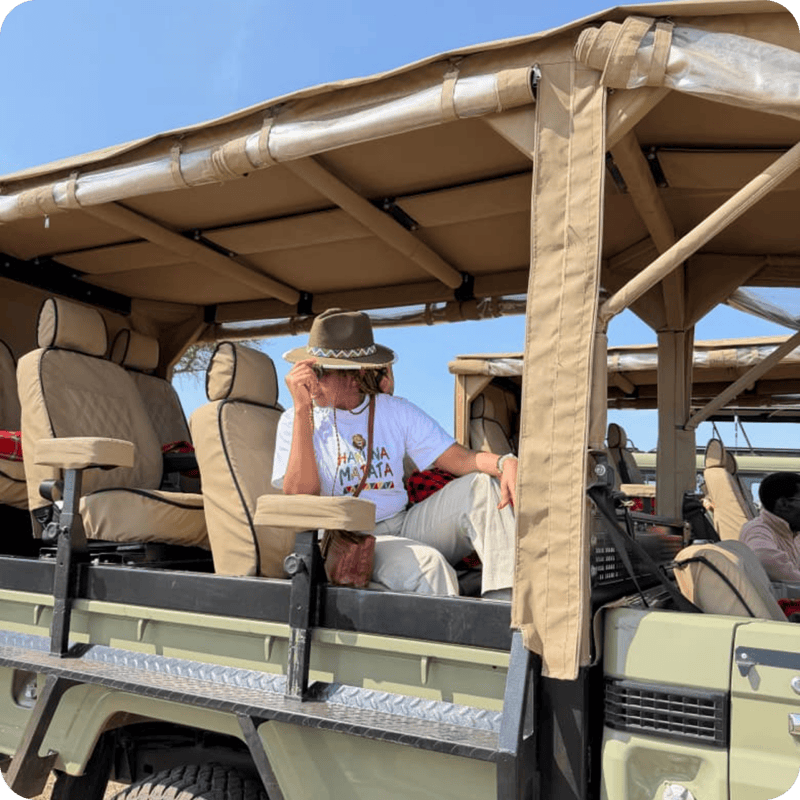
Kenya Safari Packing List: What to Pack & Wear
Planning a safari in Kenya and wondering what to pack? The right clothing, shoes, documents and safari essentials can make your trip much more comfortable.
A good Kenya safari packing list should prepare you for warm days, cooler mornings, changing weather and long game drives. Your packing needs may also change depending on the destinations, season and activities included in your private safari.
This guide covers what to pack, what to wear, useful electronics, travel documents and the items you can leave at home.
If you are still planning your itinerary, explore our Kenya Safaris for private safari experiences designed around your travel plans.
Kenya Safari Packing List at a Glance
Before getting into the details, here are the main things to pack for a Kenya safari:
- Lightweight, comfortable clothing
- Neutral or earthy-colored shirts and trousers
- A light jacket or fleece
- Comfortable walking shoes
- Sandals or lightweight shoes
- Hat or cap
- Sunglasses
- Sunscreen
- Insect repellent
- Reusable water bottle
- Binoculars
- Camera and spare batteries
- Phone and charger
- Power bank
- Personal toiletries
- Any required medication
- Passport and travel documents
- Travel insurance information
- Small day bag
- Cash and bank cards
You do not need to bring your entire wardrobe. Focus on comfortable, practical items that work well in the African outdoors.
What Clothes to Pack for a Kenya Safari
The best safari clothes are comfortable, lightweight and easy to layer.
Temperatures can change significantly between early mornings, afternoons and evenings. You may leave your accommodation when it is cool and return after several hours in the warm afternoon sun.
Pack clothing that you can easily add or remove throughout the day.
Lightweight Shirts
Bring several lightweight shirts or T-shirts made from breathable materials.
Long-sleeved shirts are especially useful because they provide protection from the sun and insects. They can also help keep you comfortable during cooler morning game drives.
Neutral colors such as beige, khaki, brown, olive and grey work well for safari.
You do not need to wear safari clothing throughout your entire trip. Comfortable everyday clothing is perfectly suitable for many parts of your journey.
Trousers and Shorts
Pack a combination of lightweight trousers and comfortable shorts.
Trousers can be useful during early morning game drives, walks and cooler evenings. Shorts are convenient during warm afternoons and at your accommodation.
Avoid packing too many pairs. Most travellers can manage with a few versatile options.
Light Jacket or Fleece
A light jacket, sweater or fleece is one of the most useful items on a Kenya safari.
Early mornings can feel surprisingly cool, especially in areas at higher elevations. A jacket also comes in handy during open-vehicle game drives when the vehicle is moving.
Choose something lightweight that can easily fit into your day bag once temperatures rise.
What to Wear on Safari in Kenya
When deciding what to wear on safari in Kenya, prioritize comfort and practicality.
Neutral and earthy colors are popular because they blend naturally into the environment. However, you do not need to replace your entire wardrobe with safari clothing.
Avoid extremely heavy clothing during warm weather. You should also avoid relying on a single outfit because safari days can involve different temperatures.
A practical outfit could include:
- Lightweight trousers
- Breathable T-shirt
- Long-sleeved shirt
- Comfortable shoes
- Hat or cap
- Sunglasses
- Light jacket for early mornings
For evening dinners at lodges and camps, smart-casual clothing is usually enough.
Best Shoes for a Kenya Safari
Comfortable footwear is more important than expensive safari boots.
For most game drives, comfortable trainers or walking shoes are sufficient. If your itinerary includes walking activities, nature walks or longer hikes, sturdier footwear may be useful.
Consider packing:
- Comfortable walking shoes
- Lightweight trainers
- Sandals or casual shoes
Your shoes should already be comfortable before your trip. Avoid taking brand-new footwear that could cause blisters.
Safari Essentials You Should Not Forget
Some small items can make a surprisingly big difference during your safari.
Sunglasses
Kenya can have strong sunlight, especially during long days outdoors.
Bring comfortable sunglasses with good UV protection.
Hat or Cap
A wide-brimmed hat or comfortable cap can provide useful protection from the sun.
Choose something lightweight and easy to pack.
Sunscreen
Pack sunscreen and apply it regularly, especially when spending several hours outside.
A high-SPF sunscreen is a practical choice for safari days.
Insect Repellent
Insect activity varies depending on the destination, season and accommodation.
An effective insect repellent can be useful, particularly around camps and lodges.
Reusable Water Bottle
A reusable water bottle is useful during game drives and travel between destinations.
Your safari operator or accommodation can advise you about water arrangements for your particular itinerary.
Small Day Bag
A small backpack or day bag is useful for carrying items during game drives.
Use it for your camera, phone, water bottle, sunscreen, sunglasses and other essentials.
Travel Documents and Money
Your travel documents should be among the first things you prepare.
Pack and keep secure:
- Passport
- Visa or entry authorization, where required
- Flight information
- Accommodation details
- Safari booking information
- Travel insurance documents
- Emergency contact information
- Copies of important documents
It is also useful to keep digital copies of important documents in secure cloud storage or on your phone.
For official information about entry requirements, always check the relevant Kenyan government or immigration information before travelling.
For park and conservation information, you can also refer to the Kenya Wildlife Service.
Camera and Electronics
A Kenya safari can give you incredible opportunities to photograph wildlife and landscapes.
You do not need professional photography equipment to enjoy the experience. A smartphone can capture excellent memories, while a dedicated camera gives you more flexibility.
Consider packing:
- Smartphone
- Camera
- Spare memory cards
- Spare batteries
- Camera charger
- Power bank
- Charging cables
- Travel adapter if required
- Binoculars
Do You Need Binoculars on Safari?
Binoculars are not essential, but they can greatly improve your safari experience.
Animals are not always close to the vehicle. Binoculars can help you spot birds, distant wildlife and details that may be difficult to see with the naked eye.
If you enjoy wildlife photography or bird watching, binoculars are particularly useful.
Toiletries and Personal Items
Pack your usual personal-care products, but keep your luggage practical.
Useful items include:
- Toothbrush and toothpaste
- Deodorant
- Moisturizer
- Lip balm
- Hand sanitizer
- Personal hygiene products
- Insect repellent
- Sunscreen
- Prescription medication
- Basic personal first-aid items
If you take prescription medication, bring enough for the entire trip and keep it accessible.
What to Pack for a Kenya Safari in the Rainy Season
Kenya’s weather varies between regions, and rain can occur even outside the traditional rainy seasons.
If you are travelling during a wetter period, consider adding:
- Lightweight waterproof jacket
- Compact umbrella
- Waterproof bag or dry bag
- Quick-drying clothing
- Extra socks
- Waterproof protection for electronics
You do not need to let the possibility of rain discourage you from travelling. A well-planned private safari can still be enjoyable when the weather changes.
What to Pack for a Kenya Safari in the Dry Season
During drier periods, sun protection becomes particularly important.
Consider packing:
- Lightweight clothing
- Hat or cap
- Sunglasses
- Sunscreen
- Lip balm
- Reusable water bottle
- Light jacket for cool mornings
- Comfortable walking shoes
The exact conditions will depend on where your safari takes you.
For example, the climate and temperatures around the Maasai Mara can differ from areas such as Amboseli, Samburu or Tsavo.
Kenya Safari Packing List for Couples
Couples travelling on a private safari can keep their luggage relatively simple.
A useful packing list includes:
- Comfortable safari clothing
- Light jackets
- Walking shoes
- Evening clothes
- Toiletries
- Camera or smartphone
- Binoculars
- Sunscreen
- Insect repellent
- Travel documents
If your itinerary includes a special occasion, you may also want to pack one smart outfit for a romantic dinner or lodge experience.
Kenya Safari Packing List for Families
Families should consider both the adults’ and children’s needs.
For children, pack:
- Comfortable clothing
- Extra clothes
- Comfortable shoes
- Hat
- Sunglasses
- Sunscreen
- Personal medication
- Snacks where appropriate
- Water bottle
- Entertainment for longer journeys
Extra clothing can be particularly useful when travelling with young children.
A private safari also gives families more flexibility when planning the pace of their itinerary, including stops and daily activities.
What Not to Pack for a Kenya Safari
You can save space by leaving unnecessary items at home.
Avoid overpacking:
- Too many shoes
- Excessive formal clothing
- Heavy jackets unless your itinerary requires them
- Large amounts of unnecessary toiletries
- Expensive jewelry
- Items you rarely use
Safari luggage should be practical rather than excessive.
If your itinerary includes domestic flights, check the airline’s current baggage allowance before packing.
Final Kenya Safari Packing Checklist
Before leaving home, use this quick checklist:
Clothing
- T-shirts
- Long-sleeved shirts
- Lightweight trousers
- Shorts
- Underwear
- Socks
- Light jacket or fleece
- Comfortable evening clothes
- Sleepwear
Footwear
- Walking shoes
- Trainers
- Sandals or casual shoes
Sun and Outdoor Protection
- Hat or cap
- Sunglasses
- Sunscreen
- Insect repellent
- Reusable water bottle
Electronics
- Phone
- Camera
- Chargers
- Power bank
- Spare batteries
- Memory cards
- Binoculars
Documents
- Passport
- Visa or entry authorization, if required
- Flight details
- Safari booking information
- Travel insurance
- Emergency contacts
- Digital copies of important documents
Personal Items
- Toiletries
- Medication
- Hand sanitizer
- Personal hygiene products
- Small day bag
Frequently Asked Questions
What should I pack for a Kenya safari?
Pack lightweight clothing, comfortable shoes, a light jacket, hat, sunglasses, sunscreen, insect repellent, toiletries, medication, travel documents, electronics and a small day bag.
What colors should I wear on a Kenya safari?
Neutral and earthy colors such as khaki, beige, brown, olive and grey are practical choices. Comfortable clothing is more important than following a strict dress code.
Do I need safari boots in Kenya?
Not necessarily. Comfortable walking shoes or trainers are suitable for many safari activities. Sturdier footwear may be useful if your itinerary includes walking or hiking.
Should I bring binoculars to Kenya?
Binoculars are not essential, but they are highly recommended. They make it easier to observe distant wildlife and birds.
Can I wear shorts on safari in Kenya?
Yes. Shorts are suitable for warm weather, especially during the day. Lightweight trousers can be more comfortable during cool mornings, evenings and some outdoor activities.
What should I wear on an early morning game drive?
Wear layers. A T-shirt or shirt combined with a light jacket or fleece works well because mornings can be cool before temperatures rise later in the day.
Do I need warm clothes for a Kenya safari?
A heavy winter wardrobe is usually unnecessary, but a light jacket, sweater or fleece is useful. Some destinations and higher-altitude areas can become quite cool, particularly early in the morning.
Can I bring a suitcase on safari?
Luggage requirements can depend on your itinerary and whether you use road transfers or domestic flights. Check the applicable airline baggage rules if your private safari includes flights.
Plan Your Private Kenya Safari with Rockhopper
Once you know what to pack, the next step is planning your itinerary.
Rockhopper Africa Safaris specializes in private Kenya safari experiences, allowing your safari to be planned around your destinations, travel dates, accommodation preferences and activities.
Whether you are travelling as a couple, family, group of friends or for a special occasion, your private safari can be designed around your travel plans.
Explore our Kenya Safaris and start planning your journey.
When requesting a quotation, it helps to provide:
- Your preferred travel dates
- Number of travellers
- Destinations you want to visit
- Preferred accommodation level
- Number of safari days
- Activities you are interested in
- Your approximate budget
The right preparation makes your safari more comfortable, but you do not need to pack everything. Keep your luggage practical, prepare for changing weather and leave enough room for the memories you will bring home.
Plan your safari. Experience Africa. Travel privately with Rockhopper.